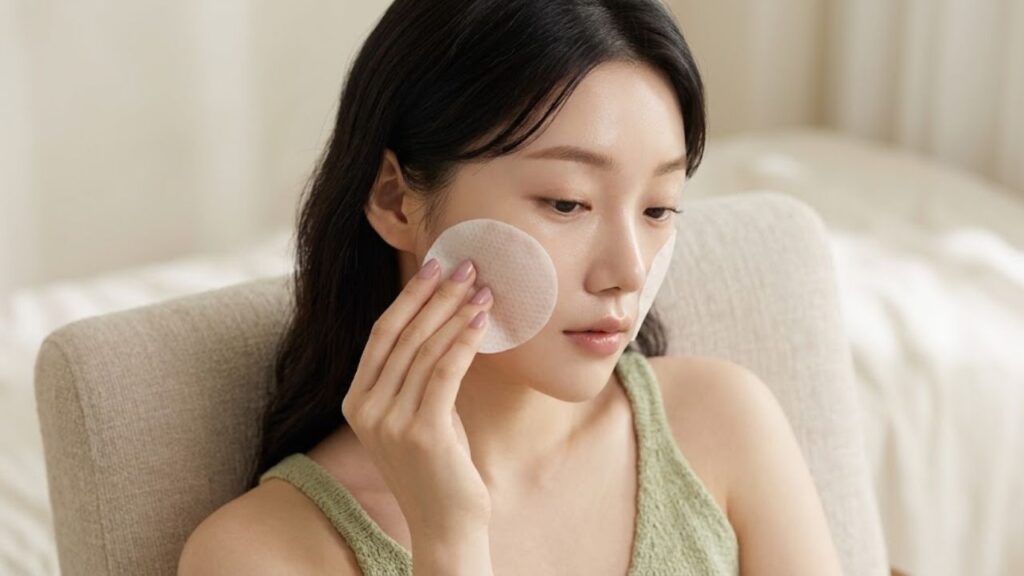
Korean beauty has always been ahead of the game when it comes to skincare and products, but even more new things are coming our way in 2026. “Glass skin” has been popular for a while, but integrated facialist April Brodie tells Refinery29 Australia that we should aim for “bloom skin” in 2026. This means we want skin that is even in tone, strong, and hydrated, and that looks healthy instead of shiny. It’s surprising that Korean skin care products are cheap and easy for beginners to use.
We break down the six Korean beauty trends for this year and explain why you should get on board sooner rather than later.
What do you need to know if you’re new to Korean beauty and skin care?
If the idea of buying Korean beauty products makes you feel overwhelmed, let us help you. Instead of being complicated, the key is to be consistent every day. You don’t need a routine with a thousand steps. “The integrated facialist says, “Start with the basics: cleanse gently, hydrate deeply, treat on purpose, and protect every day.” “The Korean glow people all over the world love doesn’t come from miracle creams or viral products. It comes from following strict routines, respecting the skin barrier, and using scientifically backed products.”
Why do Gen Z and TikTok like Korean beauty so much?
Brodie says that K-beauty has become popular with younger people because of its low prices and good results. “It brings together education, visible results, new ideas, accessibility, and low cost,” she says. “Younger people know a lot about ingredients and like brands that explain what their products do and why they work.” Price is a big deal; K-beauty offers advanced formulas at affordable prices, which makes it popular with Gen-Z and digital-first shoppers.
What are the six Korean beauty trends that will shape 2026, and how can we make them happen in Australia?
1. Biotech and “smart beauty”
Biotechnology dermatological research, and ingredient transparency are all pushing K-beauty to the next level. Botanicals made in labs, bio-fermented actives, and advanced cellular support ingredients are becoming more common. Brands that mix real innovation with scientific credibility and honesty will be the ones that lead the world. Brodie says that in Australia, people can take advantage of this change by choosing formulas that are based on clinical testing and evidence-based actives instead of marketing trends.
2. From “bloom skin” to “glass skin”
“The look is changing from ultra reflective glass skin to what I call bloom skin hydrated,” says the integrated facialist. “Bloom skin is hydrated, strengthened, and even-toned skin that looks naturally luminous instead of glossy.” “Not quick fixes, but barrier health consistency, and discipline will give you radiant skin. To get this look, you need to layer hydration gently, exfoliate, and use ingredients that repair the skin’s barrier.
3. Technology and skincare: AI and personalization
“Technology is becoming an important part of skincare.” “AI analysis and diagnostic tools now let you check hydration pigmentation sensitivity, and barrier integrity in real time,” she says. “This means that routines and treatments can change on the fly. In Australia, clinics and high end stores are already using skin analysis tools that make personalized recommendations at each visit.
4. Non-invasive and preventative treatments
“There is a clear shift away from aggressive correction and toward preventive skin health,” Brodie says. “People like treatments like microneedling, radiofrequency, skin boosters, and advanced facials because they make the skin stronger over time rather than forcing it to change quickly. This is in line with the Korean idea that the best long-term results come from helping the skin do its job, not getting in the way of it.
5. Clean beauty, ethics, and sustainability
“Transparency is becoming just as important as performance. People want to know where the ingredients come from, how they are made, and if the recipes are ethical and good for the environment. Korean brands are responding with traceable sourcing refillable packaging, and environmentally responsible production. These are things that more and more Australian consumers want as well.
6. Moving into hair, scalp, and holistic care
“K-beauty is growing beyond just skin care for the face. Scalp serums, shampoos that support the microbiome, and treatments that focus on hair follicles are becoming more common as hair care becomes more like skin care. Beauty is moving toward a more holistic model that links hair, skin, health inside and lifestyle.
What Korean skin care products should you buy in 2026?
Brodie suggests products that help your skin barrier repair, regenerate, and work well over time. Instead of waiting for problems to happen, we’re trying to treat the skin before they do. She says, “These categories fit with the industry move toward functional skincare that makes skin healthier over time, not just better looking right now.”
She suggests the Medicube PDRN Pink Cica Soothing Toner for $33 if you want to fix and hydrate your skin. The Skin1004 Madagascar Centella Toner, which costs $22.99, has a pure centella formula that will help strengthen the skin’s barrier if you have sensitive or reactive skin. Dr. nineteen’s PoreXsome V.Peptox Jelly Toner, $39.95, is a light jelly like toner that will give you a cloud skin effect and deep hydration. Brodie also suggests the Medicube PDRN Pink Collagen Toning Gel Toner Pad, which costs $35 and does all three things: gently exfoliates hydrates, and treats.