Many women go through the process of changing from relaxed to natural hair for different reasons such as wanting to embrace their natural texture, improve the health of their hair, or just for a change It may take time, patience and some knowledge to make sure the process goes smoothly. Here are some important tips and products to help you get through the change and love your natural curls.
1. Learn how to transition
When you go from relaxed to natural hair, your hair will go through a time when it has two different textures: the relaxed hair and the new, natural growth This is the “two-texture” stage Your hair may look uneven or hard to handle during this time but with the right products and care you can make it smooth.
The length of your transition will depend on how long you want to keep your relaxed hair and how quickly your natural hair grows. Some people change their hair for a few months, while others like to do a big chop when they have enough natural hair.

2. Keep Your Hair Safe During the Change
Your relaxed ends are weaker than your new natural hair so it’s important to protect them during the transition to keep them from breaking. Here are some things you can do:
- Limit heat styling: Too much heat can hurt your hair even more, especially when relaxed and natural hair come together Don’t use straighteners, curling irons or blow dryers too often.
- Keep your hair moisturized: Natural hair is drier than relaxed hair. Keeping your hair moisturized helps keep it healthy and less likely to break.
- Use Soft Hair Accessories: Don’t use tight elastics or harsh clips, as they can break hair at the delicate line between relaxed and natural hair.
3. Cut your hair often
Cutting your hair is important during your transition to get rid of split ends and keep your hair growing healthily. Regular trims also keep the relaxed ends from getting tangled up with your natural hair which can break it. Don’t be scared to slowly cut off the relaxed ends, even if you want to grow your hair long Cutting off small amounts will help you keep your hair at a healthy length without having to do a big chop.
4. Deep conditioning is good for you
During your transition, you need to get deep conditioning treatments They help your hair’s relaxed and natural parts get stronger and healthier Look for deep conditioners that have a lot of proteins, vitamins, and moisturizing ingredients like shea butter, argan oil or jojoba oil.
You can do deep conditioning once a week or every other week, depending on what your hair needs. It’s a great way to keep your hair from breaking and keep it moist.
5. Be careful when you detangle
Detangling is one of the hardest parts of transitioning, especially when you have two different textures Being gentle is the most important thing:
- Use a Wide-Tooth Comb: A wide-tooth comb is the best way to get rid of tangles in wet hair without breaking it.
- Finger detangling is one of the softest ways to get rid of knots in hair, especially at first.
- Wet or damp hair is easier to untangle than dry hair. Use a leave-in conditioner or detangler to make things go more smoothly.
6. Use styles that protect your hair
Protective styles can keep people from messing with your natural hair and help it grow. These styles help keep your ends safe and lower the chance of them breaking Some great ways to protect your hair are:
- Twists are a great way to keep your hair safe while it grows You can wear them in different sizes and they make your hair look cute and textured.
- Braids Braids can help keep your hair safe and cut down on the time you spend styling it.
- Wigs and weaves can be a temporary fix if you want to give your hair a break from styling.
Be Patient
It takes time to make the switch, and the process can be annoying. There will be days when your hair is hard to style, and you might want to go back to using relaxers to make it easier. But being patient and sticking with your natural hair journey will pay off. Keep in mind that every curl you embrace is a step toward hair that is healthier and more beautiful.
Look for help and ideas
Don’t be afraid to ask other women who have transitioned for help and ideas. You can find advice, tutorials, and support from people who have been through the same thing on social media, hair forums and YouTube. A lot of bloggers and influencers also talk about their transitions and give useful tips and product suggestions.
Get used to your new texture.
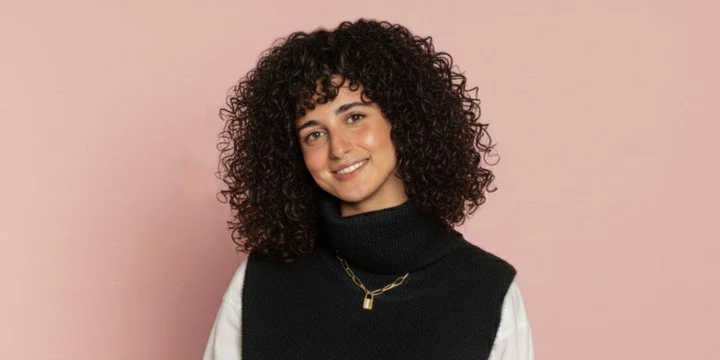
One of the most important things you can do to get used to your natural hair is to learn to love it Many women with relaxed hair may have felt nervous or unsure about their natural curls for years. You should love and accept the beauty and uniqueness of your hair’s natural texture whether it is coily, curly or wavy.
There will be days when your natural hair doesn’t act the way you want it to and that’s normal. Trying out different products tools, and styling techniques is the most important thing. Don’t compare your journey to others. Your natural hair is a unique way to show who you are.
Don’t give in to the urge to over-manipulate.
It can be tempting to style your hair all the time during the transition to make the relaxed and natural textures look good together. But if you mess with your hair too much, it can break, especially at the weak point where the two textures meet When you can, cut back on how much you style your hair and switch to a routine that doesn’t require as much work.
Instead of using heat or harsh chemicals all the time to mix the textures, try simple braids twists, or buns to show off your natural hair. These styles protect your hair and give you a break from having to do things with it all the time.
Take care of your scalp.
For natural hair to grow and stay healthy, the scalp must be healthy. Take care of your scalp during your transition because the products you use or changes to your hair care routine can make it dry, itchy, or flaky.
- Scalp Massages Peppermint or castor oil can help blood flow to the hair follicles and make them grow faster.
- Gentle Cleansing Don’t wash your scalp too much as this can remove important oils Choose a gentle, sulfate-free shampoo and think about co-washing (using conditioner to wash) to add more moisture.
- Exfoliation Gently scrubbing your scalp every so often can get rid of dead skin cells and buildup, which keeps the hair follicles clear and helps them grow better.
Celebrate Important Events Along the Way
It can feel like a long process to change, but it’s important to celebrate your progress along the way. Every time your hair grows, it’s a win, and every time you style your natural hair it’s a win. Take pictures to remember your journey and keep an eye on how your hair is doing and growing. Soon you’ll be able to look back and see how much you’ve changed.
You should also give yourself a treat when you reach a goal, like after a few months of successfully transitioning or after cutting off your relaxed ends. Get a new haircut, a spa day to pamper yourself, or even a new natural hair product to celebrate the new you!
Be nice to yourself and stay positive.
During the transition, it’s important to be patient with yourself Some days will be easier than others and there will be times when you feel angry or down Keep in mind that the path to natural hair is different for everyone and there is no right or wrong way to do it.
Accept the good and bad times, and remember why you decided to change in the first place It could be to make your hair healthier, get back in touch with your natural texture, or just try something new. Trust the process and celebrate every step along the way. Taking care of your natural hair is a journey of self-discovery and love, so go slowly.
In the end
Changing from relaxed to natural hair can be a powerful and rewarding thing to do. It helps you find your natural texture again accept healthier hair, and get the most out of your hair No matter if you cut your hair all at once or slowly trim the ends, the most important thing is to be patient, positive and take care of yourself during the process.