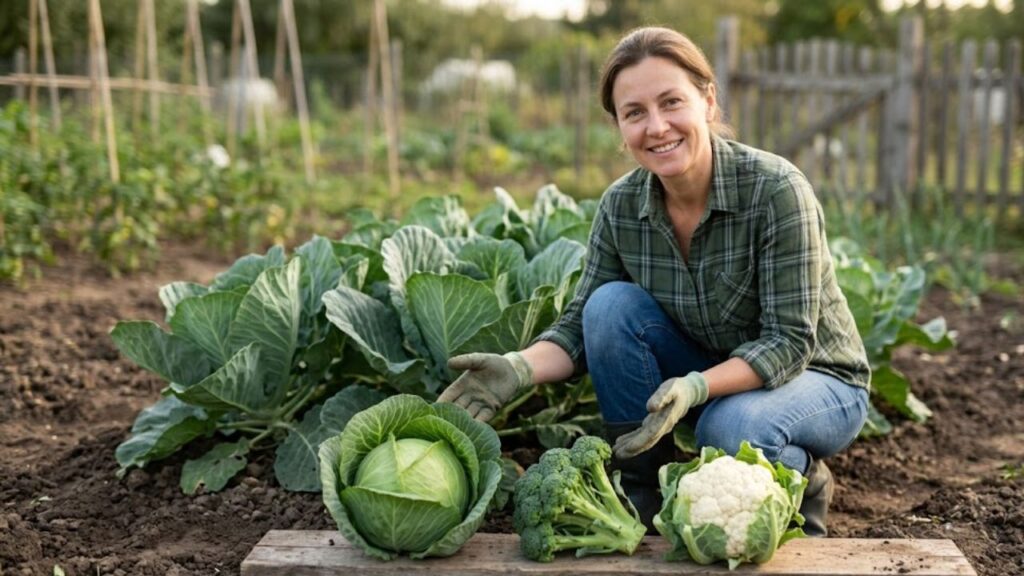
The idea often surprises people when they hear it for the first time. Imagine standing in a grocery store aisle between fresh lettuce and carrots. A child points excitedly at broccoli while a parent laughs and explains that it is different from cauliflower. Then someone nearby casually mentions that they are actually closely related. That simple comment can completely change the way you look at vegetables.
Many common vegetables that appear completely different are actually varieties of the same plant species called Brassica oleracea. This group includes broccoli, cauliflower, cabbage, kale, and kohlrabi. At first glance they seem unrelated because their shapes, textures, and flavors are so different. Yet botanically they all come from the same original plant.
How One Wild Plant Became Many Vegetables
Thousands of years ago farmers began cultivating a wild coastal plant found in parts of Europe. Instead of using modern science or genetic editing, they simply selected seeds from plants that had the traits they liked most. Over many generations those small choices slowly transformed the plant.

Plants with larger leaves eventually became cabbage and kale. Plants with thick stems developed into kohlrabi. Farmers who selected plants with tightly packed flower buds helped create cauliflower and broccoli. Each vegetable represents a different part of the same species that humans encouraged to grow in unique ways.
This long process of selection shows how powerful simple farming practices can be. Without laboratories or technology, early growers shaped one wild plant into several vegetables that now appear completely different on our plates.
Why This Connection Matters in the Kitchen
Once you understand that these vegetables belong to the same species, cooking with them becomes easier. Because they share similar fibers, sugars, and chemical compounds, they respond in very similar ways to heat and seasoning.
A recipe that calls for broccoli can often work just as well with cauliflower or cabbage. Roasted cabbage wedges can replace cauliflower steaks. Broccoli stems can be sliced and used the same way as cabbage in slaws or stir-fries.
Their similar structure means that cooking methods such as roasting, grilling, steaming, or stir-frying all work well for any of them. The only real difference is slight changes in cooking time depending on thickness.
How Cooking Technique Changes Flavor
One reason some people dislike broccoli or cabbage is because they are often overcooked. Boiling them for long periods at low temperatures can create strong sulfur smells and a soft texture that many people find unpleasant.
Using higher heat and shorter cooking times can completely transform their flavor. When roasted in a hot oven, the natural sugars in these vegetables caramelize. This process softens the stronger sulfur notes and produces a nutty, slightly sweet taste.
Cutting the vegetables into evenly sized pieces helps them cook at the same rate. Adding salt early in the cooking process and finishing with acid like lemon juice or vinegar can also brighten the flavor.

Simple Tips for Cooking Brassica Vegetables
Several small habits can help bring out the best flavor in broccoli, cabbage, and cauliflower.
• Roast or sauté them at high heat rather than boiling them for long periods.
• Cut vegetables evenly so they cook at the same speed.
• Season with salt at the beginning and add acidity such as lemon or vinegar at the end.
• Use enough fat such as olive oil or butter to balance bitterness.
• Combine different brassica vegetables in one dish for variety in texture and flavor.
These techniques can turn vegetables that some people avoid into dishes that are satisfying and flavorful.
Seeing Vegetables in a New Way
The next time you open your refrigerator and see cabbage, broccoli, and cauliflower sitting on different shelves, it may feel like three unrelated ingredients. In reality they are simply different forms of the same adaptable plant.
Understanding that connection makes cooking feel more flexible and less stressful. Instead of following recipes strictly, you can mix and match these vegetables depending on what you have available.
The produce aisle begins to look different when you realize that many vegetables share deeper botanical connections. What appears to be a wide variety is often the result of centuries of patient farming and careful selection.
One species of plant, shaped by human choices over time, now fills kitchens around the world with many different flavors and textures.
Important Points
• Cauliflower, broccoli, and cabbage are all varieties of the same species called Brassica oleracea.
• Their similar structure allows them to be swapped easily in many recipes.
• High heat cooking techniques like roasting bring out their natural sweetness and reduce strong flavors.
• Understanding their connection helps reduce food waste and encourages more flexible cooking.