Have you ever noticed that your hair behaves completely differently from your friend’s, even when you both use the same shampoo or styling products? The reason often comes down to hair structure—especially if you have fine hair. Fine hair is not just about having less hair; it refers to the actual thickness and structure of each strand.
If your hair tends to fall flat quickly, becomes oily faster than expected, or struggles to hold volume, you may have fine hair. Understanding the characteristics of fine hair helps you take better care of it and choose products that suit your hair type instead of working against it.
What Are the Characteristics of Fine Hair?
Fine hair is defined by the small diameter of each individual strand rather than the total number of strands on your head. You can imagine it as the difference between a thin thread and a thick rope. Both serve their purpose, but they are built very differently.
Generally, fine hair strands measure less than 62 micrometers in diameter. Because of this small structure, the hair feels soft, lightweight, and silky to the touch.
Some key characteristics of fine hair include:
| Characteristic | Description |
|---|---|
| Narrow hair shaft | Each strand is thinner compared to medium or coarse hair types. |
| Smooth cuticle layer | Gives fine hair its silky feel but makes it harder for products to grip. |
| Delicate structure | More vulnerable to heat damage, breakage, and harsh styling. |
| Genetic trait | Hair strand thickness is mostly inherited and determined genetically. |
It is important to understand that fine hair and thin hair are not the same. Fine hair refers to strand thickness, while thin hair refers to the number of strands on the scalp. A person can have many fine strands, making the hair look dense, or fewer coarse strands that appear thin.
Simple Tests to Check If You Have Fine Hair
If you are unsure whether your hair is fine or not, there are several simple tests you can try at home. These tests help evaluate strand thickness, density, and behaviour.
The Touch Test
Take a single clean, dry hair strand and place it between your thumb and finger. If the strand feels extremely light or almost disappears between your fingers, you likely have fine hair.
The Scalp Visibility Test
Part your hair in natural light and observe your scalp. With fine hair, the scalp may be slightly visible between strands, especially when your hair is wet or styled flat.
The Ponytail Test
Tie your hair into a ponytail using a standard elastic band. If the circumference of your ponytail feels small—around the size of a coin—it may indicate fine hair structure.
The Water Test
Drop a single strand of clean hair into a glass of water. Fine hair usually sinks slowly or floats briefly before sinking because it has a thinner cuticle layer compared to coarse hair.
Common Challenges With Fine Hair
Most problems people experience with fine hair come directly from its structure. Since each strand is thin and lightweight, it behaves differently from thicker hair types.
Lack of Volume
Fine hair often lies flat against the scalp because it lacks the natural body and thickness that provide lift. The smooth surface of the strands allows them to slip past each other easily, making it difficult to maintain volume.
Hair Gets Oily Quickly
Natural oils produced by the scalp travel down fine hair strands much faster. Because of the smooth cuticle surface, oil spreads quickly, causing hair to appear greasy sooner than thicker hair types.
Higher Risk of Damage
Fine hair has less protective structure compared to coarse hair. As a result, it can be more sensitive to heat styling tools, chemical treatments, and rough handling.
Styling Difficulties
Heavy styling products designed for thicker hair can weigh fine hair down. This often leaves the hair looking flat and lifeless instead of voluminous.
Different Types of Fine Hair Texture
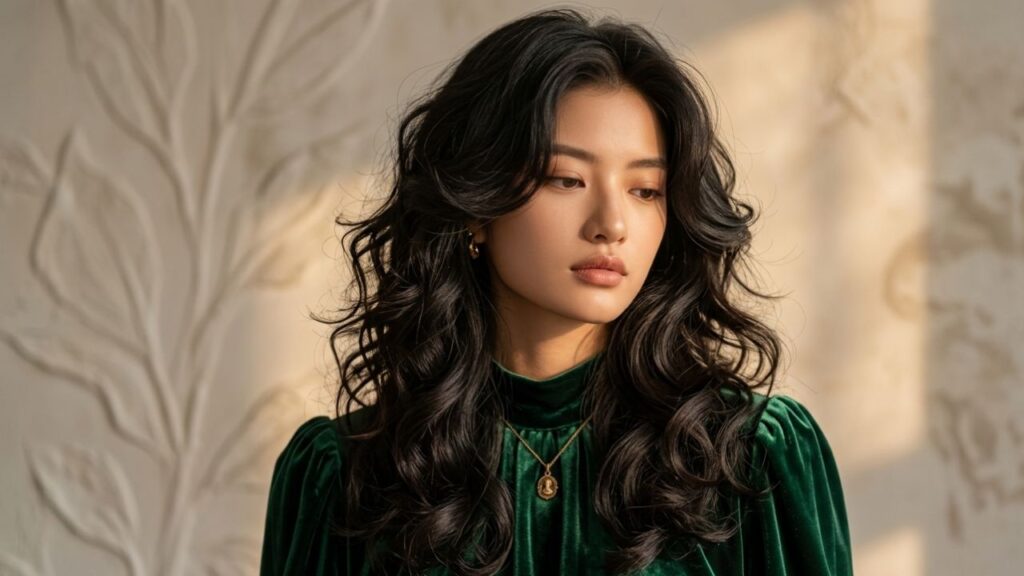
Fine hair can still have different patterns such as straight, wavy, or curly. Understanding your texture helps you choose the right styling and care routine.
Fine Straight Hair
Fine straight hair tends to show oiliness and flatness more easily. Since the hair is straight, natural oils move quickly from root to tip, making frequent washing or dry shampoo useful.
Fine Wavy Hair
The natural wave pattern can add the appearance of more volume. However, this hair type can sometimes struggle with frizz and maintaining wave definition.
Fine Curly Hair
Fine curly hair needs moisture to maintain curls but can become weighed down by heavy creams. Lightweight gels and careful scrunching techniques usually work best.
Dense vs Sparse Fine Hair
Some people have a large number of fine strands (dense fine hair), while others have fewer strands (sparse fine hair). Dense fine hair may look fuller but still struggle with oiliness, while sparse fine hair often focuses more on volume-enhancing techniques.
Best Haircare Practices for Fine Hair
Creating a proper haircare routine for fine hair involves choosing lightweight products that enhance volume without adding unnecessary weight.
Here are some product categories that work well for fine hair:
| Recommended Products | Why They Help |
|---|---|
| Volumizing shampoos | Clean hair effectively while adding body and lift. |
| Dry shampoo | Absorbs excess oil and adds texture between washes. |
| Root lifting sprays | Create lift directly at the scalp for more volume. |
| Texturizing sprays | Add grip and structure for easier styling. |
Products that should generally be avoided include:
| Products to Avoid | Reason |
|---|---|
| Heavy oils | Can make fine hair appear greasy and flat. |
| Thick leave-in conditioners | Often too heavy for delicate hair strands. |
| Excess protein treatments | May leave fine hair feeling stiff and brittle. |
Haircuts and Styling Tips That Add Volume
The right haircut can make fine hair appear thicker and fuller. Strategic cutting techniques help create the illusion of density.
Blunt cuts often make fine hair appear thicker because the ends look fuller. Slight layering can add movement, but excessive layers may remove too much density.
Popular styles that work well for fine hair include bobs and long bobs (lobs), as they create a balanced shape while maintaining fullness.
Volume Styling Techniques
| Technique | Benefit |
|---|---|
| Blow drying upside down | Adds natural lift at the roots. |
| Using round brushes | Creates body and shape while drying. |
| Cool shot finishing | Helps lock in volume and style. |
| Light teasing | Adds temporary height at the roots. |
Frequently Asked Questions
Is fine hair the same as thin hair?
No. Fine hair refers to the thickness of each strand, while thin hair refers to the number of strands on the scalp.
Can fine hair become thicker?
The natural thickness of hair strands is determined genetically and cannot change. However, proper care can improve hair health and make it appear fuller.
Why does fine hair become oily quickly?
Because the cuticle surface is smooth, natural oils move down the hair shaft faster, making the hair appear greasy sooner.
Is fine hair different for men and women?
The basic characteristics are the same for both. Differences usually come from hairstyle length, styling habits, and hormonal factors that affect hair density.
Can someone have fine but thick hair?
Yes. This means the individual strands are thin but there are many of them, giving the appearance of thick or dense hair.
What common mistakes damage fine hair?
Using too much product, applying excessive heat without protection, rough towel drying, and aggressive brushing can all damage fine hair.
Key Takeaways
Fine hair simply requires a different approach to care and styling. By understanding its characteristics, you can choose lightweight products, adopt volume-boosting techniques, and maintain healthy hair without weighing it down. With the right routine and proper product selection, fine hair can look full, vibrant, and easy to manage.