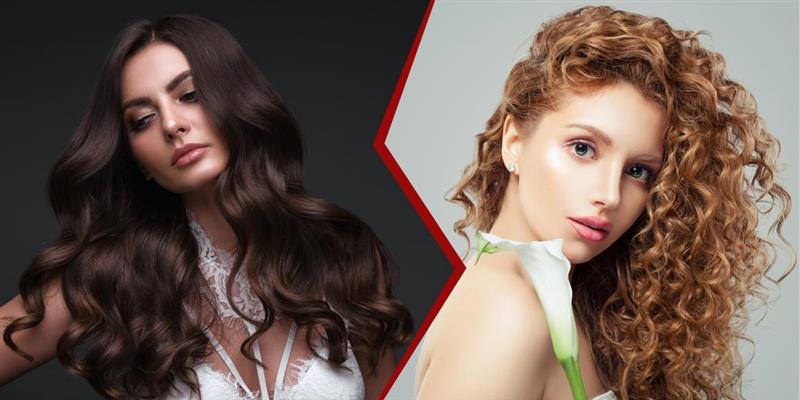
All hair types are affected by frizziness which is a common hair concern. It’s a term used to describe dry unmanageable hair. You can attain healthier hair by comprehending the science underlying frizz, its causes, and management techniques. We’ll go over what frizz is and how to get rid of it in this blog.
When your hair’s outer layer rises rather than falls flat, you get frizz. This causes the hair shaft to swell as moisture from the air enters. Let’s talk about the primary causes of frizz in curly hair.
What Leads to Frizzy Hair?
Frizz is caused by a number of internal and external factors. Here are a few of the most typical ones:

1. Humidity
One of the main causes of frizzy hair is humidity. Humidity causes water molecules to enter the hair shaft and alter its natural structure. This problem makes curly hair puffy due to frizz.
2. Damage to Hair
The hair cuticle can be harmed by heat styling chemical treatments, excessive washing, and exposure to harsh substances. Because a damaged cuticle is not flat, the hair is more porous and prone to frizz.
3. Insufficient Moisture
Dry hair will attempt to take in moisture from the surrounding air. Frizz and elevated cuticles are the results of this. Because the natural oils from the scalp are more difficult to move down the hair shaft in curly textures, dry hair is more common.
4. Texture of Hair
An important factor is natural texture Because the bends in the strands make it more difficult for moisture to be distributed evenly, curly and wavy hair types are more likely to frizz.
5. Poor Hair Maintenance
Frizz can also result from shampooing too frequently, brushing dry hair, or using the incorrect towel. These behaviors roughen the cuticle layer and deplete the hair of its natural oils.
Frizz Types
Depending on your hair type and condition, frizz can take many different forms:
- Surface frizz: A fuzzy appearance on the hair’s outer layer.
- Halo Frizz: Usually affects the uppermost layer, resulting in a flyaway “halo.”
- Frizz at the Ends: Usually observed in split or damaged ends.
- Pouf Ball Frizz: Affects the entire head giving the appearance of swollen or malformed hair.
How Can Frizzy Hair Be Managed?
For people with naturally textured hair, controlling frizz is more about reducing its effects and enhancing the moisture balance and overall health of the hair than it is about getting rid of it.
1. The Key is Moisture
Frizz is less likely to occur in hydrated hair. Use hydrating products that seal moisture into the hair shaft and incorporate a deep conditioning treatment at least once a week.
2. Steer clear of harsh chemicals and heat
Avoid using hot tools like curling irons and straighteners. Use a heat protectant if you decide to use them. Steer clear of chemical treatments that could harm the cuticle.
3. Employ Appropriate Drying Methods
Use a microfiber towel or a soft cotton t-shirt to dry your hair rather than a rough one. These materials stop the cuticle from lifting and lessen friction.
4. Carefully comb
Avoid brushing dry hair, especially curly hair, and use a wide-tooth comb on wet hair. Breakage and increased frizz can result from dry brushing.
5. Guard Against the Weather
Frizz can be caused by the sun wind, and pollution. When spending a lot of time outside, wear scarves, hats, or protective hairstyles When spending a lot of time outside.
Is Frizz Always a Bad Thing?
Not always. Frizz is a normal reaction to the surroundings and state of your hair. Some people find that a little frizz gives their style more body and personality. The objective is healthy manageable hair that feels good and complements your natural texture, not perfection.
Long-Term Practices to Avoid Frizz
While quick fixes like moisturizing products and appropriate drying methods can help control frizz on a daily basis, long term healthy hair habits can drastically lower its incidence over time.

1. Select Cleaners Without Sulfates
Shampoos frequently contain sulfates, which are strong cleaning agents. They deprive the hair and scalp of their natural oils, leaving them dry and prone to frizz. Making the switch to a mild sulfate free shampoo can help maintain the hair’s natural moisture content and enhance its texture.
2. Don’t Wash Too Much
The natural oils that protect and hydrate the hair shaft can be removed by washing your hair too often. Washing your hair two or three times a week is usually enough, depending on your hair type. You can use water or a light mist spray to refresh your hair on days when you don’t wash it.
3. Add Sealants and Oils
Natural oils that help seal in moisture and smooth the surface of hair include coconut oil, jojoba oil, and argan oil. To add shine and lessen frizz apply a small amount to dry or wet hair.
4. Sleep Wisely
Frizz can result from friction while you’re sleeping. To prevent damage to your hair, try wearing a silk scarf at night or using a satin or silk pillowcase. These substances help maintain the smoothness of the hair cuticle by lowering friction.
5. Frequent Trims
Frizz is mostly caused by split ends and damaged tips. Frequent trims, every six to eight weeks, help maintain a tidy healthy appearance and stop damage from moving up the hair shaft.
The Significance of Nutrition and Water
Your hair’s health is often a reflection of your overall wellness. Hair structure and moisture retention are supported by a balanced diet high in vitamins (particularly A, C, D, and E), minerals (like iron and zinc), and healthy fats.
It’s also important to stay hydrated Your hair gets dry and brittle when your body doesn’t get enough water, which makes frizz more likely.
Recognizing Seasonal Frizz Triggers
Seasons present different hair related challenges:
- Summertime: Excessive humidity and UV radiation can cause hair shafts to swell and dry out, resulting in frizz.
- Winter: Dry indoor heat and cold outdoor air can dehydrate hair, increasing the likelihood of frizz.
To adjust, use moisturizing masks and richer conditioners in the winter and lighter hydrating products or anti humidity sprays in the summer.
Myths Regarding Frizzy Hair
Let’s dispel a few widespread misconceptions that frequently result in bad hair care choices:
- Myth 1: Only curly hair is affected by frizz. Even straight or fine hair can develop frizz from dryness or damage, but curly hair is more likely to do so because of its structure.
- Myth 2: Short hairstyles minimize frizz. Moisture balance and cuticle health are more important than length. If short hair is not properly cared for, it can still frizz.
- Myth 3: Cleaner, less frizzy hair results from using more shampoo. Frizz can be made worse by overcleaning Instead of overshampooing, concentrate on deep conditioning and gentle washing.
In conclusion
If you’ve ever wondered what frizziness is, it’s basically the result of hair strands responding to damage or dryness. The secret is to learn to work with your hair’s texture and nourish it instead of using harsh solutions to combat frizz. You’ll get manageable hair with this practice.
Regardless of whether your hair is straight or wavy, frizz can be significantly reduced by following a regular routine and shielding your hair from harm. Additionally, you ought to experiment with the Controlled Chaos hair line. They help you get rid of frizz by using natural ingredients.
FAQ:
What causes frizz in hair?
When the outer layer lifts, moisture from the air can enter the hair shaft and cause frizz. The strands swell and become misaligned as a result. As a result, the texture becomes uneven and rough.
Does frizz result from dryness?
Indeed, one of the main causes of frizz is dryness. Lack of moisture causes hair to seek out moisture from its surroundings, particularly in humid environments. This lifts the cuticle and causes frizz.
Is frizz a permanent condition?
Although frizz isn’t usually permanent, hair that is frequently dry or damaged may appear frizzy on a regular basis. Frizz can be greatly minimized or controlled with the right maintenance, hydration, and damage prevention.